
Museum & Cultural Property Security in Austin
Gallery, Venue & Collection Protection

Security Needs Shaped by Austin’s Arts Landscape
Austin’s arts and museum scene is active year-round, drawing steady public traffic alongside rotating exhibitions, programs, and special events. Cultural spaces here are designed to be welcoming and accessible, which increases the need for security that protects people and collections without changing how visitors experience the space.
We have to know that public access and valuable collections coexist in close proximity. Galleries, museums, and cultural venues often feature works that are irreplaceable, displayed within arm’s reach in open floor plans. Security coverage must account for proximity to artwork while remaining calm and unobtrusive, supporting staff and visitors without interrupting engagement.
Finding the right balance between visitor experience and protection is central to cultural property security. The goal isn’t restriction, but awareness – monitoring movement, identifying potential issues early, and maintaining a presence that feels appropriate in an artistic environment.
Also, the urban context adds another layer. Many cultural properties are located near busy streets, shared-use buildings, or public gathering areas, which increases foot traffic beyond regular visiting hours. Dedicated security helps manage this exposure while preserving the openness that cultural spaces depend on.
A thoughtful access review can help clarify where protection is needed without disrupting how your space operates. Contact us today at Ranger Security Agency to get started on your custom security plan.
Supporting a Range of Cultural Spaces Across the City
Cultural properties in Austin, Texas, take many forms, from large public museums to outdoor installations and community-focused art spaces. While each type of venue serves a different audience and purpose, they all share the need for security that respects public access while acknowledging the value of what’s being protected.
The categories below reflect the types of cultural spaces commonly supported, with local examples that illustrate the variety of environments found across the city.
Museums and Institutional Collections
Large museums house permanent and rotating collections within structured public spaces that see consistent daily traffic. Examples include the Blanton Museum of Art and the Bullock Texas State History Museum, where security awareness must align with education, tourism, and public programming.
Contemporary Art and Exhibition Spaces
Contemporary venues often feature open layouts and changing exhibitions that encourage close visitor interaction. Spaces such as The Contemporary Austin and HOPE Gallery highlight the need for calm oversight in flexible, creative environments.
Cultural and Community Centers
Community-focused cultural centers host exhibitions, performances, and public gatherings tied closely to local identity. The Mexican American Cultural Center is one example where security must support frequent events while remaining welcoming and accessible.
Outdoor Art and Sculpture Gardens
Outdoor cultural properties introduce additional considerations due to open access and natural surroundings. Locations such as the Umlauf Sculpture Garden combine public pathways with valuable installations, requiring awareness across both visitor areas and landscaped grounds.
Please know that each category presents a different environment, but local familiarity helps ensure security considerations align with how these spaces are actually used.
If you oversee a cultural space and want to talk through how security can support your environment, reach out to our security specialists at Ranger Security Agency review your property’s layout and visitor flow. We’ll surely guide you every step of the way.
Trusted Security for Austin’s Cultural Spaces
Protecting cultural properties requires discretion, consistency, and respect for the visitor experience – not just in Austin, but around Texas. The feedback below reflects experiences from clients who value calm on-site presence, clear communication, and security teams that understand how to operate within public, art-focused environments.
Low-Profile Security for Galleries and Exhibitions
Gallery and exhibition floors require a careful security approach. These are public-facing environments where visitors are encouraged to move freely and engage closely with artwork, making protection a matter of awareness and positioning rather than restriction.
The focus areas below outline how trusted security supports open gallery spaces while preserving the tone and flow of the visitor experience.
| Gallery Patrol Without Disrupting Visitors |
| Artwork Proximity Monitoring |
| Low-Profile Presence in Public Spaces |
| Protection During Open Hours |
For galleries and exhibition spaces open to the public, a walkthrough can help clarify how security fits within visitor flow. Contact us today to get started.
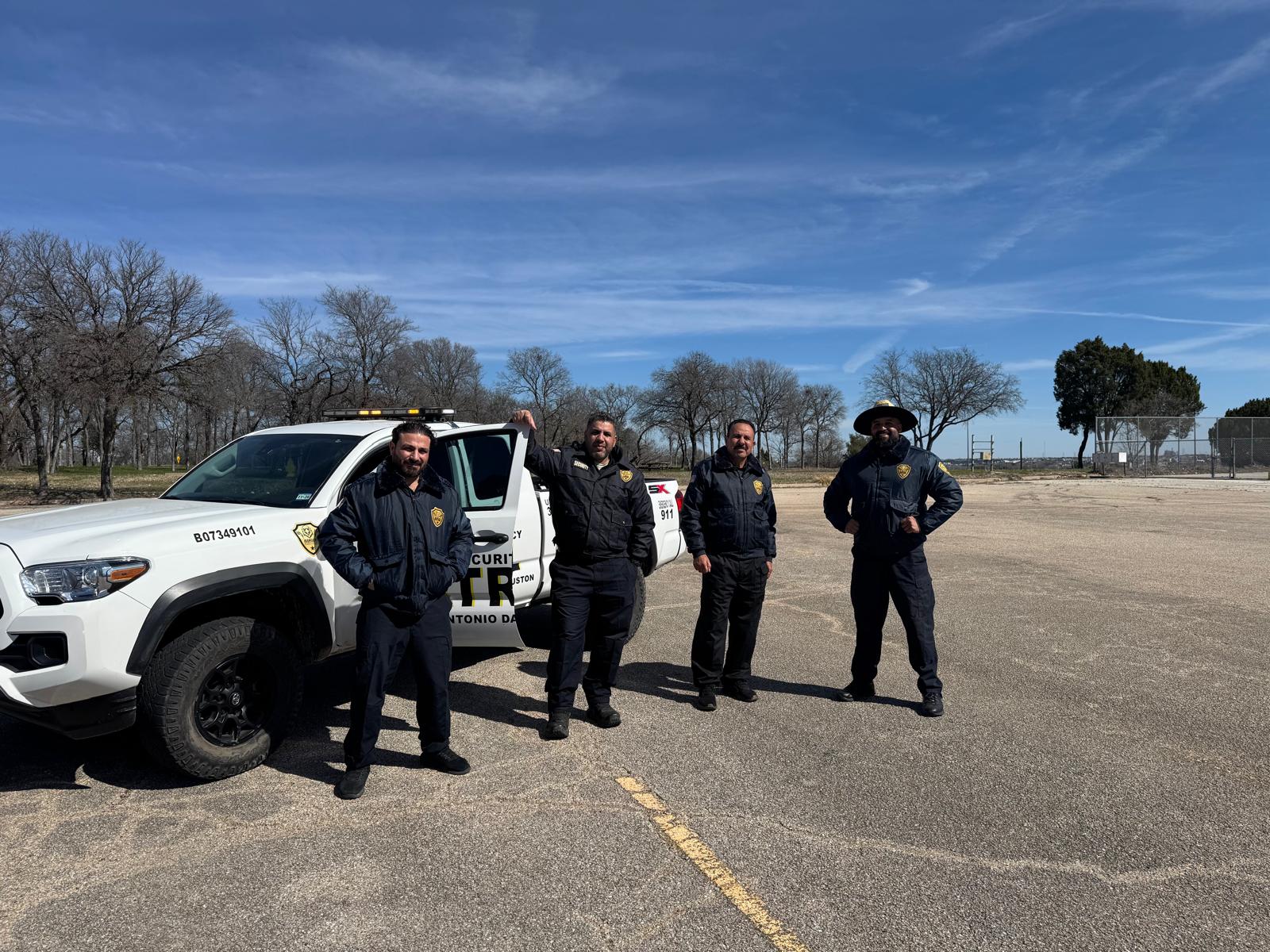
Managing Security During Cultural Events and Programs
We have to know that special events introduce a different rhythm to cultural spaces. Exhibition openings, galas, and public programs often increase attendance, change traffic patterns, and extend activity beyond normal operating hours, which requires security coverage that adapts without disrupting the event itself.
This type of security focuses on anticipation and flow rather than enforcement, supporting both staff and guests as the space temporarily shifts from quiet viewing to active gathering.
Exhibition Openings and Galas
Openings and galas typically bring higher guest volume and concentrated arrival windows. Security helps manage entrances, observe crowd movement, and maintain awareness in high-traffic areas without interrupting the atmosphere.
Crowd Flow and Access Control
Events often require temporary access adjustments, including guest check-in areas or restricted zones. Security supports these changes to keep movement orderly and prevent congestion or unauthorized access.
After-Hours Event Coverage
Many cultural events take place outside regular visiting hours. Security presence ensures continued oversight while protecting collections, facilities, and guests as operations extend into the evening.
Coordination with Venue Staff
Event security works alongside curators, coordinators, and front-of-house teams. Clear communication helps ensure security supports the event’s goals rather than becoming a visible distraction.
These services are commonly provided through standing guard coverage and concierge-style security, designed to fit formal, guest-facing environments. For upcoming openings or special programs, connect with our team at Ranger Security Agency to plan event-day security that aligns with your space and audience in Austin, Texas.
Museum and Gallery Security FAQs
How can security be present in galleries without disrupting visitors?
Security in cultural spaces is designed to be low-profile and unobtrusive. Guards focus on awareness and proximity monitoring rather than enforcement, helping protect collections while preserving the visitor experience.
How can security be present in galleries without disrupting visitors?
Security in cultural spaces is designed to be low-profile and unobtrusive. Guards focus on awareness and proximity monitoring rather than enforcement, helping protect collections while preserving the visitor experience.
How does security help protect artwork and exhibitions on display?
Security personnel monitor proximity to artwork and observe visitor movement within exhibition spaces. This helps reduce accidental damage and ensures issues are addressed early without interrupting normal operations.
Is security needed for exhibition openings and special events?
Yes. Know that openings, galas, and special programs often increase attendance and movement within galleries. Security coverage supports crowd flow, access control, and after-hours activity during these events.
Can security coverage be tailored to different galleries or collections?
Yes. Coverage is adjusted based on layout, visitor volume, and the sensitivity of collections. This allows security to support each space without applying a one-size-fits-all approach.
Security That Respects Art, Space, and Visitors
We have to know that cultural properties serve the public while safeguarding collections that hold artistic, historical, and community value. In Austin’s active arts landscape, security coverage needs to protect these spaces without interrupting how people experience them.
If you manage a museum, gallery, or cultural venue and want to discuss security support tailored to your space, contact us at Ranger Security Agency using the form or call our team directly. We’ll review your needs and outline next steps with care and clarity.