Security Built for High-Risk Environments in Houston
We provide licensed security guards and structured coverage for facilities and business operations that require consistent oversight, controlled access, and reliable on-site presence.
Designed for High-Exposure and High-Traffic Operations
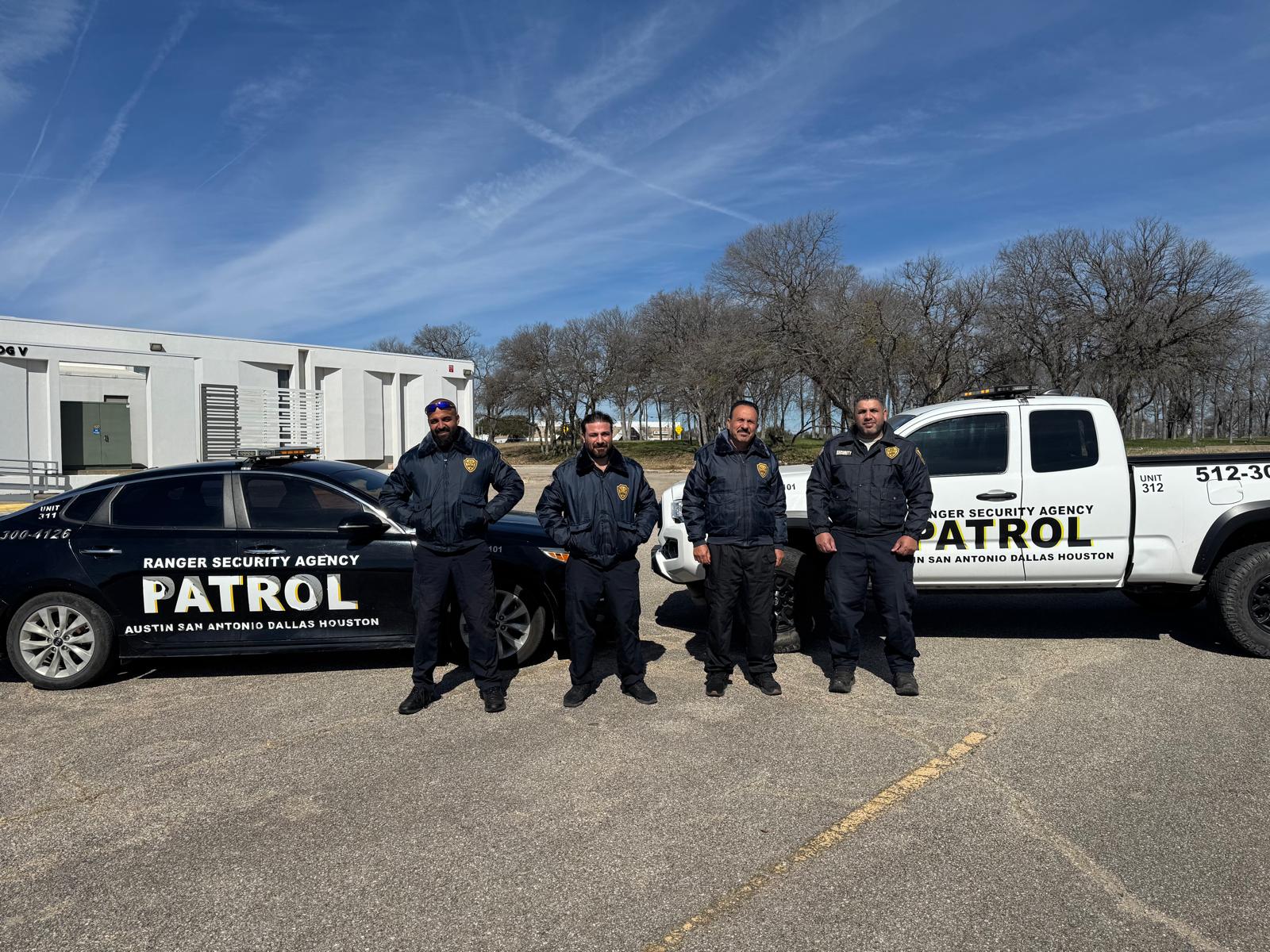
Houston is home to some of the most complex and high-liability environments in the country – from oil and gas facilities to ports, industrial plants, and corporate high-rises. These sites require more than a visible presence; they require security teams that understand how operations run on the ground.
Ranger Security Agency provides licensed guards and structured coverage for facilities, job sites, and business operations that need consistent oversight, controlled access, and reliable on-site support. Our teams are trained to work within active environments, coordinate with site personnel, and maintain security without disrupting day-to-day operations.
We regularly support:
- Oil and gas facilities with strict access control and safety protocols
- Ports and logistics hubs managing high traffic, deliveries, and restricted zones
- Industrial plants operating across shifts with large perimeters and equipment risk
- Corporate high-rises requiring professional, customer-facing security presence
Security in these environments isn’t one-size-fits-all, as it needs to match how your site operates. Tell us how your site is set up, and we’ll help you build the right level of coverage.
On-Site Security for Industrial and Corporate Operations
For many Houston sites, security is not occasional – it is part of daily operations. Industrial facilities, corporate buildings, and active job sites require consistent on-site presence to manage access, monitor activity, and respond quickly to issues as they arise.
Ranger Security Agency provides on-site guards trained to support structured environments where reliability, awareness, and clear protocols matter. Our teams integrate into your operations, maintaining security while working alongside staff, vendors, and site management.
Our core responsibilities include:
- Access control at entry points, checkpoints, and restricted areas
- Perimeter monitoring to secure large or multi-entry sites
- Incident response for on-site issues, disruptions, or safety concerns
- Shift-based coverage to ensure consistent security across all operating hours
Indeed, effective on-site security comes down to consistency, visibility, and the ability to respond without delay. Let us know how your site operates, and
Mobile Patrol for Large Facilities and Multi-Site Coverage
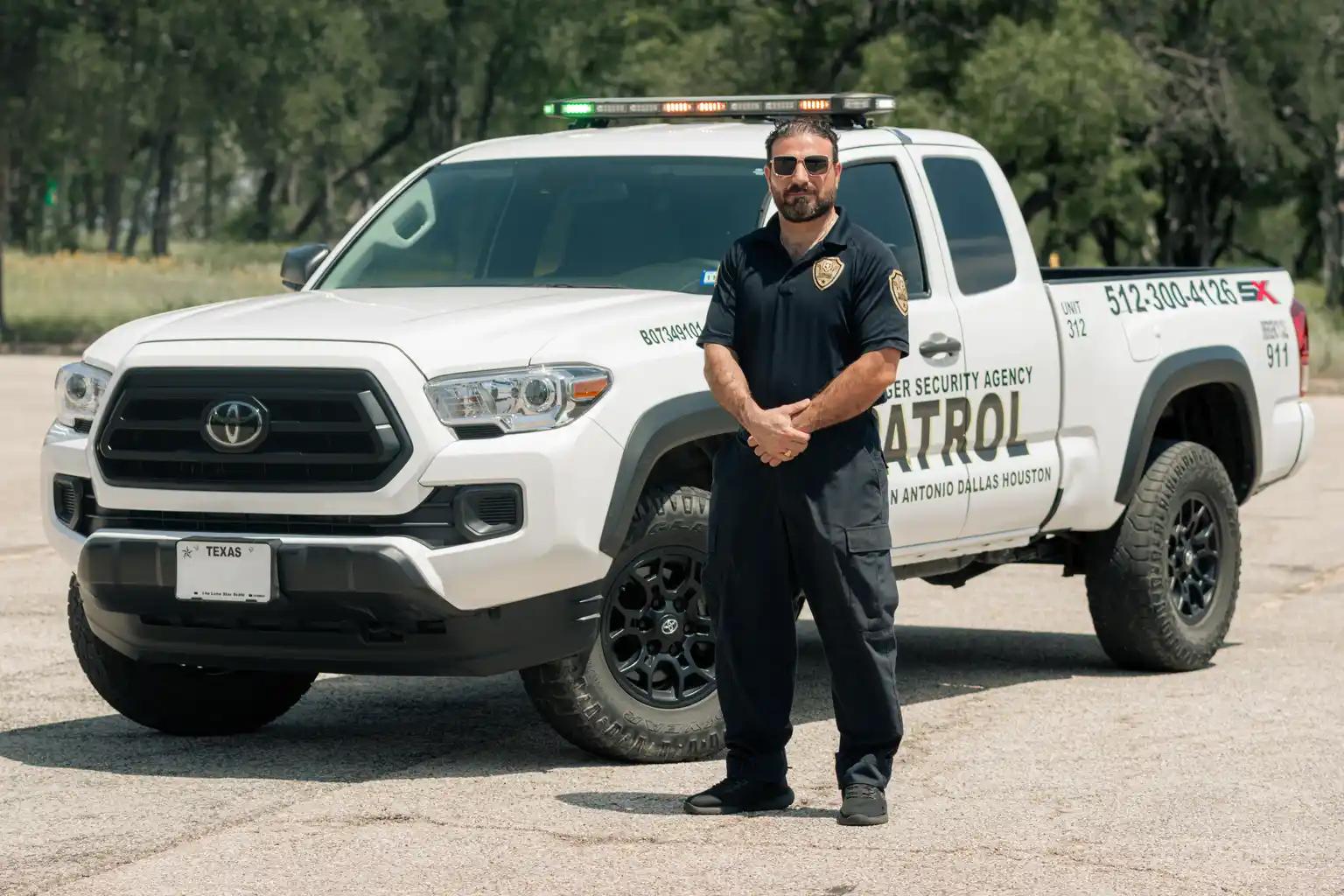
Not every site requires a full-time guard at every point. For large facilities and multi-site operations, mobile patrol offers a flexible way to maintain coverage without overextending resources.
At Ranger Security Agency, we provide Vehicle Patrol Services designed for properties with wide perimeters, multiple entry points, and varying levels of activity throughout the day. Our patrol units follow structured routes while incorporating randomized checks to reduce predictability and improve overall deterrence.
Mobile patrol is commonly used for:
- Large industrial properties with extended perimeters
- Sites with multiple access points that do not require constant staffing
- Business parks or multi-location operations needing shared coverage
- After-hours monitoring where full-time presence is not required
Our mobile patrol provides consistent visibility and response without the cost of full-time on-site staffing at every location. Contact us and tell us how your site is laid out, and we will recommend the right patrol coverage for your operations in Houston, Texas.
Security Services We Provide
24-Hour Security Services
Armed Security Services
Unarmed Security Services
Concierge Security Services
Expert Security Services
Security Consulting Services
Private Security Services
Temporary Security Services
Standing Guard Security Services
Vehicle Patrol Security Services
Security Coverage Across Houston and Surrounding Areas
Houston’s business activity is spread across multiple high-demand areas, from central districts to surrounding communities like Katy, Sugar Land, and The Woodlands. Each location presents different operational needs, but all require reliable and responsive security coverage.
Ranger Security Agency provides coverage across the Greater Houston Area, with the ability to deploy guards and patrol units where and when they are needed. Whether your site is in a dense commercial zone or a large suburban facility, our team can support operations with consistent presence and coordination.
We regularly provide coverage in:
- Houston
Coverage for central business districts and corporate corridors with a consistent, on-site security presence - Katy
Supporting growing industrial and commercial developments with scalable security coverage - Sugar Land
Providing security for corporate campuses and mixed-use properties with structured, reliable coverage - The Woodlands
Serving business parks and large-scale facilities with coordinated on-site and patrol security
Local coverage means faster coordination, better response times, and security that aligns with how your site operates. Call us today at Ranger Security Agency, and let us know where your site is located, and we will coordinate coverage that fits your area and operations.
The Ranger Security Agency Advantage in Houston

Texas DPS-Certified Guards
Licensed professionals who meet state requirements for training, compliance, and on-site performance.

Experience in High-Risk Environments
Guards with experience supporting industrial sites, large facilities, and operations with elevated risk exposure.

Reliable, Shift-Based Coverage
Consistent coverage across all hours, with clear scheduling and dependable guard presence.

Professional Reporting and Accountability
Structured reporting, incident documentation, and clear communication to support site management and oversight.
Proven Performance Across High-Risk Sites
Security performance is best measured on the ground through consistency, communication, and how well teams operate within active sites. Here is what clients across industrial facilities, corporate environments, and large-scale operations have experienced working with Ranger Security Agency in Houston, Texas:
Houston Security FAQs
How quickly can you deploy in Houston?
We can typically deploy within 24 to 72 hours, depending on location, scope, and guard availability. Urgent requests can often be accommodated faster.
Do you handle industrial or oil & gas sites?
Yes, we regularly support industrial facilities and oil and gas sites, with guards trained to operate within high-risk, regulated environments.
Do you cover Katy, Sugar Land, and The Woodlands?
Yes, we provide coverage across Greater Houston, including Katy, Sugar Land, and The Woodlands, with the ability to deploy based on your location.
Can I get patrol instead of full-time guards?
Yes, mobile patrol is available as a flexible alternative, with scheduled or randomized coverage depending on your site’s needs.
Get the Right Security Coverage in Place
When your site involves high-value assets, active operations, or strict safety requirements, gaps in security are not something you can afford to overlook. Delays, inconsistent coverage, or unclear protocols can quickly turn into operational and financial risk.
Ranger Security Agency works with Houston businesses that need structured, dependable coverage – not guesswork. Tell us how your site operates and what risks you’re managing. We’ll help you put a plan in place that holds up under real conditions.